“One can not always tell what it is that keeps us shut in, confines us, seems to bury us, but still one feels certain barriers, certain gates, certain walls. Is all this imagination, fantasy? I do not think so. And then one asks: My God! Is it for long, is it forever, is it for eternity? Do you know what frees one from this captivity? It is very deep serious affection. Being friends, being brothers [and sisters], love – that is what opens the prison by supreme power, by some magic force.”
— Vincent Van Gogh, in a letter to his brother, Theo, July 1880
*******************************************************************
ARTx@TEDx
I believe in art.
And believing in something holds tremendous power.
MOSES
On a sunny fall day in the City on the Bay I took to the streets armed with a clipboard and an oversized pill dangling around my neck. I had a question: What’s in your pill? Or rather, if you could put anything inside a pill, “medicine” for you or the people at large, what would it be? Tony walks the streets of the Tenderloin in San Francisco, a bright light in a rough neighborhood. The shine in his eyes is vibrant and warm, his ideas about humanity are rooted in compassion and understanding. I soon learn that Tony, a man in his 40s, is HIV positive. I feel struck by his positive vibe (energy, outlook, demeanor, the positivity with which he presents himself) despite his illness and by his casually presented wisdom concerning the neighborhood and about humanity in general. In this neighborhood, Tony is known as “Moses.” He smiles and gladly sits at my side to talk about his relationship with pills and his insights on what the world needs. The questionnaire I have handed him includes this question: If you could put ANYTHING inside a pill, what would it be? Moses comes to this question and quickly and confidently writes “peace.” I ask him what he means by this. “Inner peace, outer peace, world peace?” I say. He takes a moment, looks away of for a second or two, and crosses out his original answer. He then replaces it with another word – “Acceptance,” he writes, and begins to tell me the meaning and implications of this powerful word, or idea, rather. You see, in the world where Tony lives, acceptance is key, but he has bigger ideas about why acceptance, acknowledgment, and respect for one another is essential to the success and happiness of humanity. “It’s about supporting one another in our struggles. It’s about realizing we all want the same things. We want to be loved for who we are… It’s not about the differences that divide us, but the similarities that have the power to unite us.” People ought to focus more on that. Exposure is sometimes key to acceptance, healing and understanding. When a person realizes the humanity that exists behind a particular illness, they are more likely to accept a person for who they are. This project helps to expose, which may lead to acceptance, support, and a compassionate community.
*************************************************************************************
THINKING OUTSIDE THE PILL
One individual with whom I spoke described work he had done in a mental hospital. Patrick, a reentry student to Cal after a ten year hiatus from school, had spent time working with schizophrenics and manic-depressives. A musician himself, and aware of the benefits music had brought to his own life, Patrick decided to start a jazz and hip-hop group with patients. Although Patrick’s project differs in terms of content and methodology from The Pill Project, the goals and outcomes are similar in the sense that it facilitated a space where people were able to connect to each other through art and self-expression. He described the way that they were able to open up, express, and communicate their experience through art, through music, and how this spilled over into their healing process. In a sense, a channel had been created through which they could allow their human experience to flow. This is crucial because one of the problems with mental illness, in particular, is the way it can isolate a person, alienate them from the rest of the world, make them feel flawed, broken, hopeless, alone, and without a community. This group facilitated unity through a shared experience, while also allowing for individual, self-expression. What better a genre of music than jazz to carry this through? An essential characteristic of jazz is individual self-expression (the solo) within a unified group, with all participants working towards a common goal. Because of the non-clinical nature of Patrick’s work and the intimacy the musical setting provided, patients felt more comfortable and open to share their experience and to connect to the people around them. “You know, people don’t always want to talk to doctors, share their thoughts and feelings,” Patrick told me. However, they feel able to share in the artistic setting that music provides. Similarly, the artistic setting provided by The Pill Project softens the viewer in part because it moves the topic of “illness” out of a clinical setting, which can be sterile, impersonal, diagnostic, and has a tendency to suggest there is something broken in the person being treated.
As humans, we are fluid beings—we are not broken, there is nothing to fix—our neurological system is plastic. The “permanent” diagnoses of a chronic mental health problem by physicians wrongly promotes the idea that people need to be “fixed,” and that this requires something that exists outside themselves—something that is not part of their existing constitution. The Pill Project is designed to suggest that rather than treating the problem internally with foreign chemicals, we need to change our environment, our stimulation, the degree to which we are connected to the people around us in meaningful ways, and to share and develop a skill set to cope with life’s adversities.
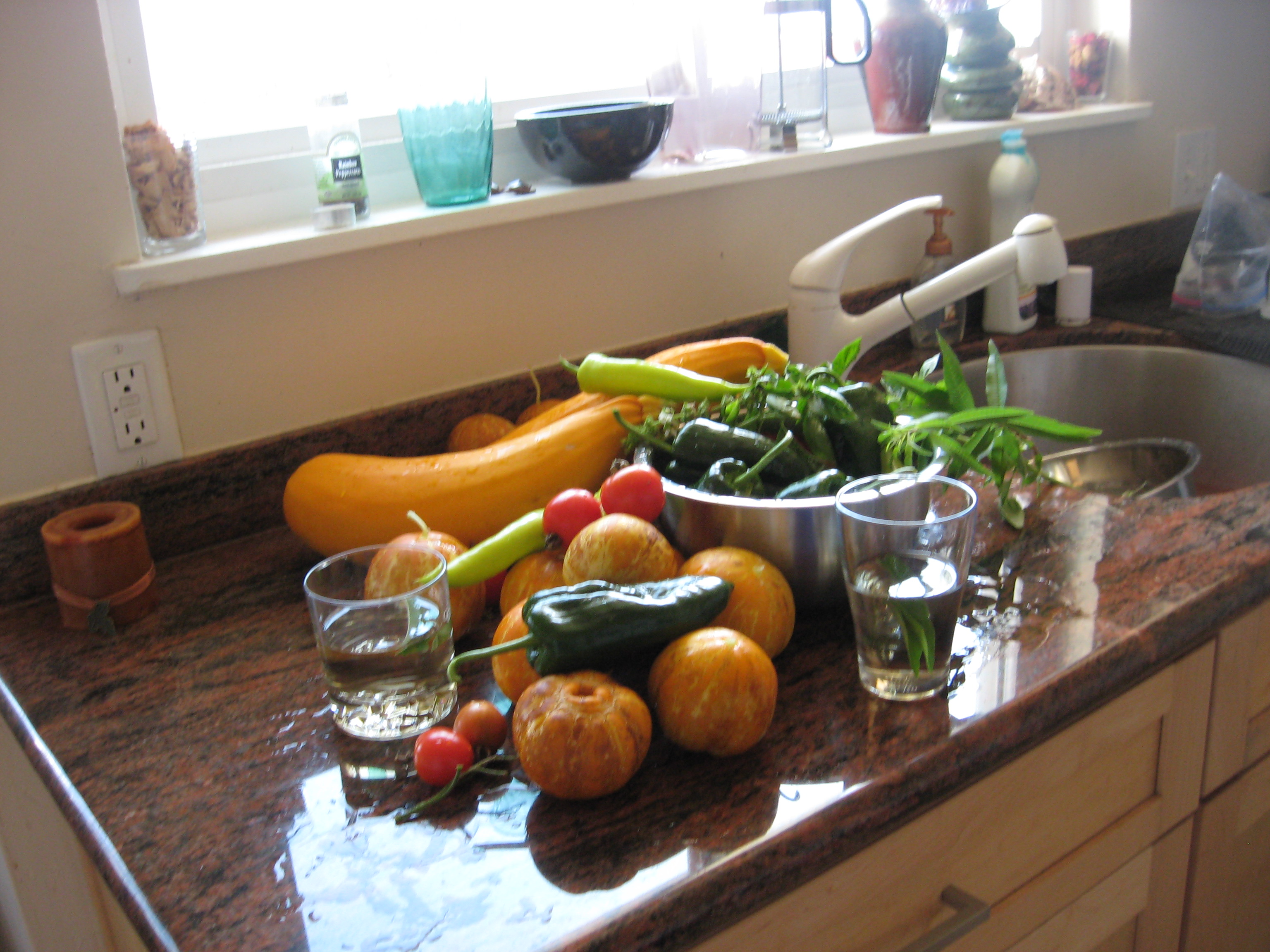
Nature’s Spirit (When you’re small, you got to fix what you can)
my private automantra
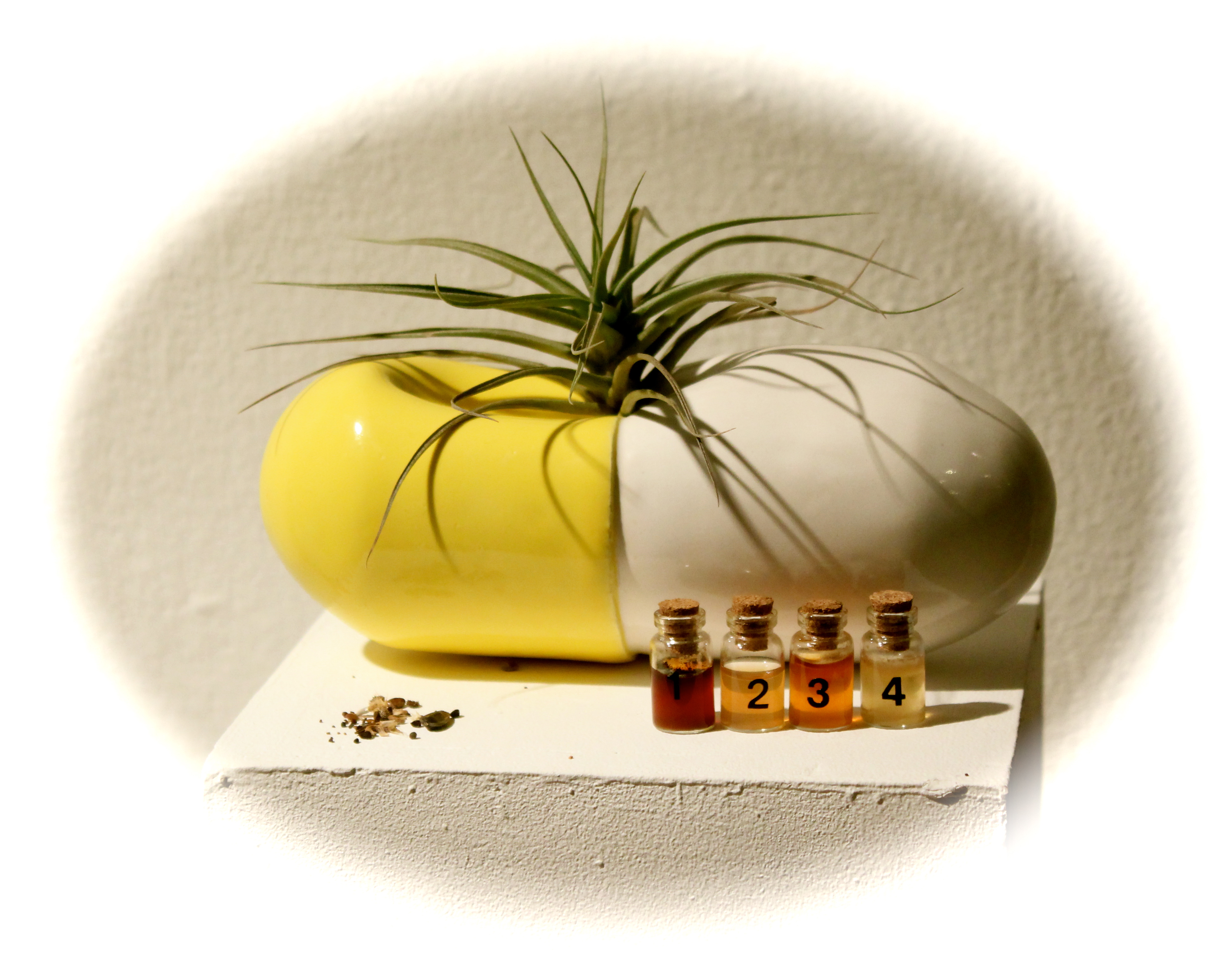
 thepillproject.org